
Naturist Travel on a Budget
Day Passes, Off-Season Deals and Camping
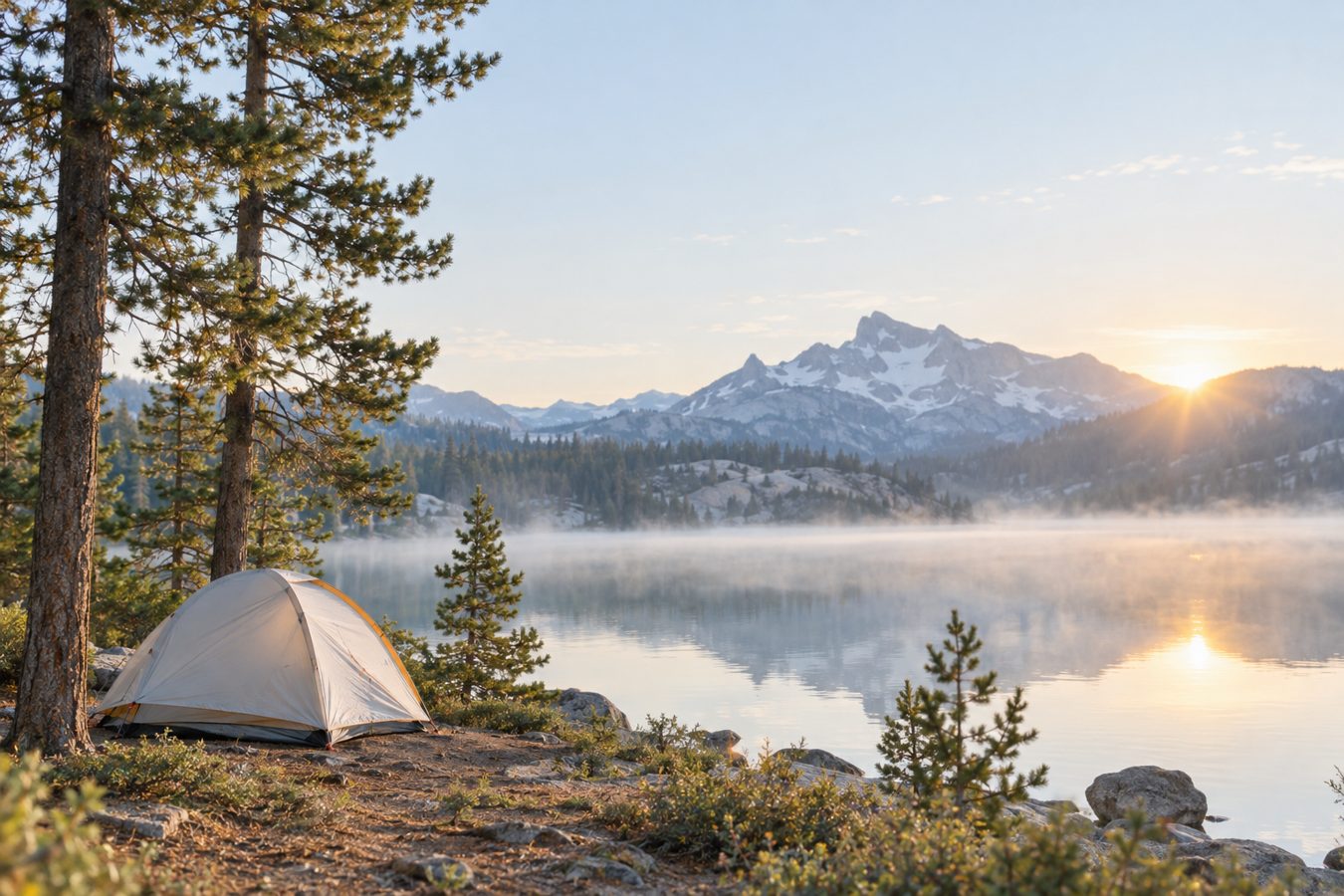
Here's the good news: being naked is free. You don't need a new wardrobe, a designer swimsuit or a pile of luggage. Naturist travel can be one of the most affordable kinds of holiday there is, if you know where the savings are. This guide covers the biggest ones.
1Start with a day pass
You don't have to book a week at a resort to find out if you like it. Most naturist clubs and resorts sell day passes, and many have deals for first-timers.
In our research, day visits at U.S. clubs ran from about $38 to $60 for an adult, and about £25 at a UK club. Many places offer late-arrival or half-day rates, and many clubs offer first-visit, young-adult or federation-member discounts.
Field Guide tip Ask any resort whether it has an evening or "dine and dip" rate.
2Join a naturist organization (it pays for itself fast)
A membership card is the single best money-saver for regular naturists.
- AANR (U.S.): Members get 20% off admission at about 180 affiliated clubs and resorts across North America and beyond. A standard individual membership is $64 a year. Young adults aged 18–28 pay $46, students aged 18–24 pay $31, and children under 18 are free.
- INF card (worldwide): Your national federation's card works as an International Naturist Federation card. In Europe it usually brings 5–15% off stays or entry, and in Denmark typically 5–10% at affiliated campsites. Some campsites give more: one French naturist campsite offers 20% off stays of more than 3 nights for INF cardholders.
- British Naturism (UK): Members save up to 25% on entry at some clubs, and there are discounted memberships for young people and students.
The math If you visit an AANR club just four or five times a year, the 20% discount can cover the cost of your membership.
3Under 35? You're in luck
Naturist venues encourage younger guests, and many price accordingly. Look for "young naturist" rates, often for ages 18–35, and for youth groups that offer member rates, such as Young British Naturism (under 35) and AANR's Young Adult membership (ages 18–28). Always carry ID.
4Travel in the shoulder season
The shoulder season is the stretch between the busy high season and the quiet low season. Prices drop sharply outside school holidays, and the weather is often still good.
- Europe: June and September are often the easiest months for a first naturist trip, with warm weather and fewer crowds. In Provence, a naturist tent pitch typically runs €15–25 a night in low season, against €25–35 in high season.
- U.S. resorts: Ask about weekly deals in low season. In Florida, that's the hot, humid summer (about May to October); the busy season is the winter snowbird months, November to April. Some resorts give a night or even a week free on longer stays.
5Camp it
Naturist campsites are the budget backbone of naturism, especially in France, Croatia, the Netherlands and Germany.
- Bring your own tent or campervan for the lowest prices. Rent a mobile home or bungalow when you want more comfort.
- Use a camping discount card. In low season, camping discount cards can cut prices at many naturist campsites in Europe.
- Cook for yourself. Most naturist campsites have shared kitchens or barbecues, and many have a small shop for groceries and supplies.
6Use the free stuff: beaches
Official and traditional naturist beaches cost nothing to visit. Pair a reasonably priced guesthouse or campsite nearby with a beach day, and your biggest costs are getting there and sunscreen. Our maps show which beaches are official nude beaches, nude sections of larger beaches or traditional (tolerated), so you know before you go. Always check local signs or ask locals, as rules can change at any time.
7Work for your stay (carefully)
Some naturist resorts, campgrounds, member clubs and clothing-optional eco-farms offer room and meals in exchange for work. It's a low-cost way to stay for weeks or a whole season, and to get to know a naturist community from the inside.
What the work looks like
- Hours. Work-exchange networks usually describe about 4–6 hours a day, 5 days a week, or roughly 20–25 hours. Seasonal resort jobs can ask for more.
- Tasks. Gardening and organic farming, grounds and maintenance, cleaning cabins, kitchen or bar work, and front desk or reception.
- What you get. Usually a bed, tent pitch, RV site or cabin, plus some or all of your meals. Some places add free use of the pools and facilities.
- When to apply. Resorts often recruit several months before the season starts.
Where to find it
- Volunteer work-exchange websites. WWOOF (organic farms, run country by country), Workaway, Worldpackers and HelpStay list thousands of hosts, from organic farms to hostels. Search for the words "naturist," "nudist" or "clothing-optional" to find the hosts who welcome naturists. Most charge a yearly membership fee before you can contact hosts.
- Workamping. In North America, some naturist RV parks and member clubs trade a free RV site or cabin for front desk, cleaning or grounds work. It's often called "workamping." Ask the club office directly.
- Your national federation. National naturist federations and their member clubs sometimes share volunteer and seasonal openings with members.
Know the dress code before you go
- Clothing-optional means you choose whether to wear clothes, at work and off duty.
- Naturist or "social nudity" hosts may expect everyone to be nude when the weather and the task allow.
- Ask first. Message the host to explain their rules before you agree, and if the arrangement isn't right for you, say no.
Before you say yes Get the hours, duties, meals and accommodation in writing, read recent reviews from past volunteers, and check whether you need a work visa abroad. In some countries, volunteering on a tourist visa is against the law. Tell someone at home where you'll be. Volunteer arrangements have occasionally led to disputes over hours and pay.
8Watch for special events
Each July, AANR's Nude Recreation Week brings a week of planned activities at most AANR resorts, ending with National SkinnyDip Day, on July 11 in 2026. Open days and festivals are a fun, low-cost way to try a new club. Check the Skyclad Travel Calendar for what's happening.
9Budget for the hidden costs
The cheapest trip on paper isn't always the cheapest in practice. Before you book, check for:
- Membership requirements: Some venues require an INF or AANR card, or charge non-members more
- Grounds fees: Charged per person per day, on top of your room or pitch
- Getting there: Naturist beaches and campsites are often remote, so a rental car can cost more than the room
- Singles surcharges: Some venues charge single guests more, or limit single men
Field Guide tip Compare the full cost of the trip: room, grounds fees, transport and food. Not just the nightly rate.
Budget Quick Card screenshot this
- Try a day pass before you book a week
- Join AANR or your national federation for 10–20% off
- Under 35? Ask for the young naturist rate
- Go in June or September (Europe), or in Florida's low season (May–October)
- Camp, and cook for yourself
- Beaches are free
- Count grounds fees, transport and membership rules to know the true cost
Prices and offers were correct when checked in October 2026 and change often. Confirm with each venue before you book. Some links may be affiliate links. Skyclad Travel never publishes nude images.